
The evolution of casinos tracing the historical timeline of gambling establishments
Ancient Beginnings of Gambling
The history of gambling can be traced back to ancient civilizations where various forms of betting were prevalent. Evidence of dice and betting games dates back to around 3000 BC in Mesopotamia, demonstrating that the urge to gamble is deeply rooted in human culture. These early gambling activities were often intertwined with religious and ceremonial practices, indicating their significance in society. Today, as we explore options such as real money casinos, we see how these age-old traditions have evolved into a multi-faceted industry.

In ancient China, during the Shang dynasty (1600–1046 BC), the first known lottery-type games emerged, which played a role in raising funds for public projects. This early form of gambling laid the groundwork for organized betting and established a framework that would evolve significantly over the centuries.
The Rise of Modern Gambling in Europe
The Middle Ages saw the emergence of gambling houses across Europe, particularly in Italy and France. By the 16th century, establishments dedicated to gaming began to flourish, leading to the development of structured gambling practices. The Italian word „casa” meaning house was used to refer to these establishments, giving rise to the term „casino.” These venues catered to nobility and affluent citizens, fostering a culture of high-stakes gambling.
During this period, various games we recognize today, such as roulette and baccarat, were developed. The rise of these games contributed to the transformation of gambling from a private affair into a public spectacle, attracting participants from all walks of life and prompting the establishment of regulations governing gambling practices.
The Birth of Las Vegas
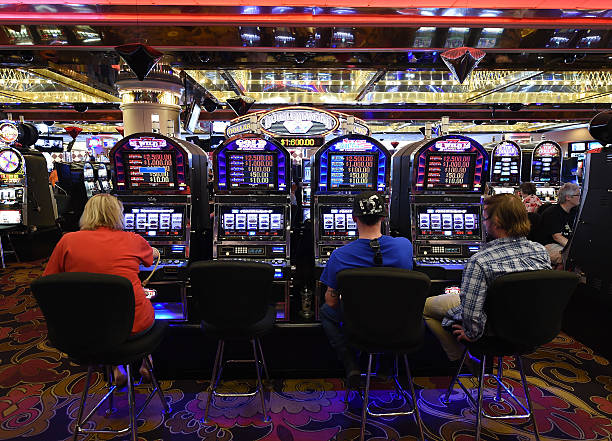
The 20th century heralded the emergence of Las Vegas as the gambling capital of the world. Initially, Nevada legalized gambling in 1931 as a means to revitalize its economy during the Great Depression. This pivotal moment marked the beginning of a new era for gambling establishments, leading to the construction of opulent casinos that combined gaming with entertainment.
Las Vegas became synonymous with glamour and excess, showcasing elaborate shows and attractions alongside gaming floors. This transformation not only attracted tourists but also influenced the global perception of casinos as entertainment hubs, changing the way gambling was viewed and experienced.
The Digital Revolution and Online Gambling
With the advent of the internet in the late 20th century, the gambling landscape began to shift dramatically. Online casinos emerged in the mid-1990s, allowing players to enjoy a variety of games from the comfort of their homes. This new platform provided unprecedented access to gambling and significantly broadened the market.
Today, online gambling has become a multi-billion dollar industry, encompassing a vast array of games, including traditional table games, slot machines, and even live dealer experiences. The convenience and accessibility of online casinos have led to a substantial increase in participation, forcing traditional establishments to adapt and compete in a digital age.
Enhancing Security and User Experience
The evolution of casinos has also necessitated robust security measures, particularly with the rise of online platforms. Websites now employ advanced technologies, such as encryption and firewalls, to protect user data and ensure safe transactions. This commitment to security is essential in fostering trust among users.
As online gambling continues to grow, user experience has become a priority. Websites aim to create engaging and seamless interfaces that enhance player enjoyment. The integration of innovative technologies and responsive designs reflects the ongoing evolution of casinos, ensuring they remain relevant in a rapidly changing landscape.